londonhvacpro · Refrigeration & Air Conditioning
HVAC Engineers in East London
Commercial air conditioning and refrigeration in East London needs to suit the building as well as the business. A busy food counter, an office above a shop and a store with limited rear access present different servicing problems. We help identify faults, plan maintenance and assess new equipment without assuming that every premises needs the same solution. Explain what your equipment serves, where it is located and what has changed, so the next step can be planned around practical site information.
Engineer labour from £120+VAT/hour · One-hour minimum · Installation and equipment separately quoted
Planning service around East London premises
Hackney, Waltham Forest and Newham are London boroughs with a varied mix of residential streets, commercial centres and business premises. Ilford, Romford and Dagenham provide further useful location references across the wider east London area. These names help describe an enquiry, but a neighbourhood alone does not establish equipment type, building condition or access arrangements. Give the full address and a description of the premises rather than relying on an area label.
Older shop units can place equipment behind counters, above ceilings or in enclosed yards. More recent premises may have dedicated plant areas with controlled access. Neither arrangement should be assumed from the postcode. Before attendance, identify the person who can authorise entry, explain any shared access and tell us whether a landlord or managing agent controls external equipment. Photographs taken from a safe position can help show the layout. This preparation reduces avoidable uncertainty without suggesting that a diagnosis can be completed from photographs alone.
Commercial cooling that matches the working space
Air conditioning should be considered in relation to occupancy, opening hours, sunlight and the heat generated inside the premises. A treatment room used intermittently has different operating needs from an office occupied throughout the day. In shops, an entrance that opens frequently can affect comfort near the door, while stock displays and partitions can obstruct the intended airflow. Describe where discomfort occurs and when it is most noticeable.
A survey can establish whether a reported problem relates to equipment condition, controls, airflow or a mismatch between the system and its current use. Moving furniture, increasing staffing or changing trading hours can alter demand even when the equipment itself has not changed. We can assess repair and replacement options against those practical requirements. New installations need an appropriate design assessment, including suitable indoor and outdoor positions, drainage arrangements, electrical provision and service access. Installation is quoted separately rather than treated as a routine repair visit.
Refrigeration faults and protecting trading continuity
Commercial refrigeration enquiries should identify whether the affected equipment is a display cabinet, preparation counter, freezer or cold room. Record the displayed temperature, the time it was noticed and any independent checks already made under your food safety procedures. Explain whether the problem affects one cabinet or several pieces of equipment. A power interruption or a door left open needs a different investigation from a recurring cooling fault, although similar symptoms can appear at first.
Keep unnecessary door openings to a minimum and avoid loading additional warm products into equipment that is struggling. Staff should not decide that stock is safe solely because the cabinet display has recovered. Product condition and temperature history require assessment under the business's own food safety arrangements and relevant guidance. If another suitable storage unit is available, consider a controlled transfer that maintains separation and traceability. Tell the engineer what steps have been taken so the technical investigation can be understood alongside the operating history.
Access, neighbours and external plant
For East London sites, the route to the equipment can be as important to planning as the fault description. Tell us about loading restrictions, controlled parking, narrow passageways, stairs and any requirement to sign in with building management. A shared courtyard is not automatically available for work, and an outdoor unit visible from the street may only be accessible through another occupier's space. Confirm permissions before arranging work that depends on those routes.
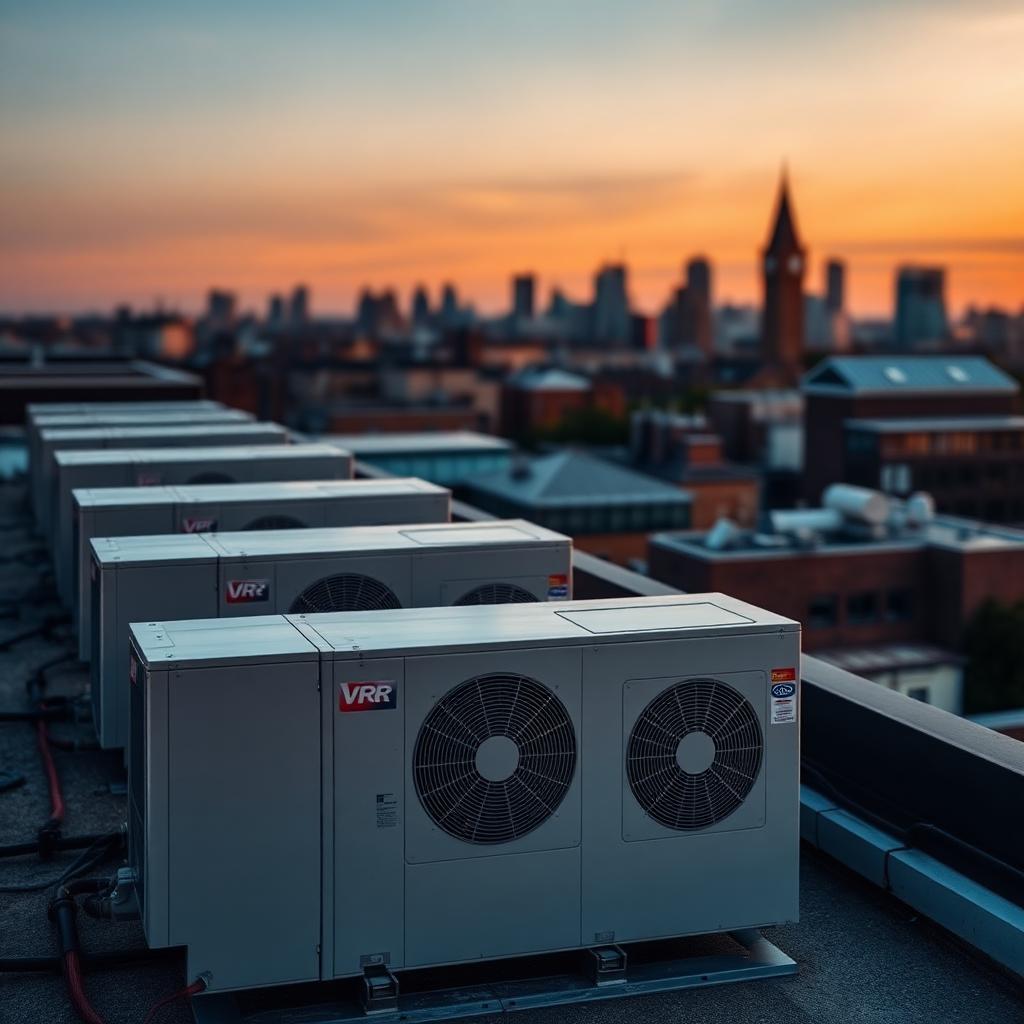
External plant also needs consideration for airflow, vibration and the effect of sound on nearby occupants. Placing equipment in a confined enclosure can make maintenance harder and interfere with heat rejection. A proposed location should therefore be assessed rather than selected only because it is out of sight. Roof access, lifting requirements and work at height need suitable planning. Where a survey identifies specialist access or additional arrangements, those requirements should be explained before a repair or installation scope is agreed.
Maintenance based on actual operating conditions
A useful maintenance plan starts with an equipment list and an understanding of how each system is used. Record model details where accessible, the rooms or products served, previous faults and any periods when equipment can be taken out of service. Kitchens, busy retail spaces and ordinary office rooms create different cleaning and inspection needs. The interval between visits should reflect operating conditions and manufacturer guidance, not a single schedule applied to every customer.
Routine work may include checking accessible filters, coils, drainage, controls and signs of deterioration, with the exact tasks determined by the equipment and agreed scope. Refrigerant work must be handled appropriately by F-Gas certified personnel; do not attempt to open the refrigerant circuit yourself. Keep service records and make recurring symptoms available at the next visit. Repeated icing, unusual noise or water where it should not be can justify an earlier assessment rather than waiting for the next planned appointment.
Clear pricing and useful information before booking
Labour is charged at £120 + VAT per hour, with a one-hour minimum labour charge. Installation and hire are quoted separately. Ask for the proposed scope before authorising work, including how parts, access arrangements and any additional visits will be dealt with. A labour rate is not a fixed total for every fault: the cause may need investigation, and replacement components may require identification before a repair quotation can be confirmed.
When making an enquiry, include the address, business opening hours, equipment type, symptoms and whether trading or stock is affected. A photograph of the model label can be helpful if it can be obtained without removing covers or reaching into unsafe areas. Tell us whether you need a breakdown assessment, planned servicing or a survey for replacement. Availability and the practical arrangements for your particular site should be confirmed directly.
Services in East London
Main services
Refrigeration (205)
Air conditioning (198)
Browse all 641 services by category · Common refrigeration and AC faults explained